PM Series - Integration Components

Your surface becomes the control.

We take your surface or part and convert it into an intelligent touch interface. A countertop, a shower wall, a window frame, an exterior automotive component, a mirror cabinet. The product your customers already know becomes the control they interact with. No separate buttons, no third-party controllers, no design compromise.
Any material Any thickness up to 6mm+ PT Plus standard Production-engineered
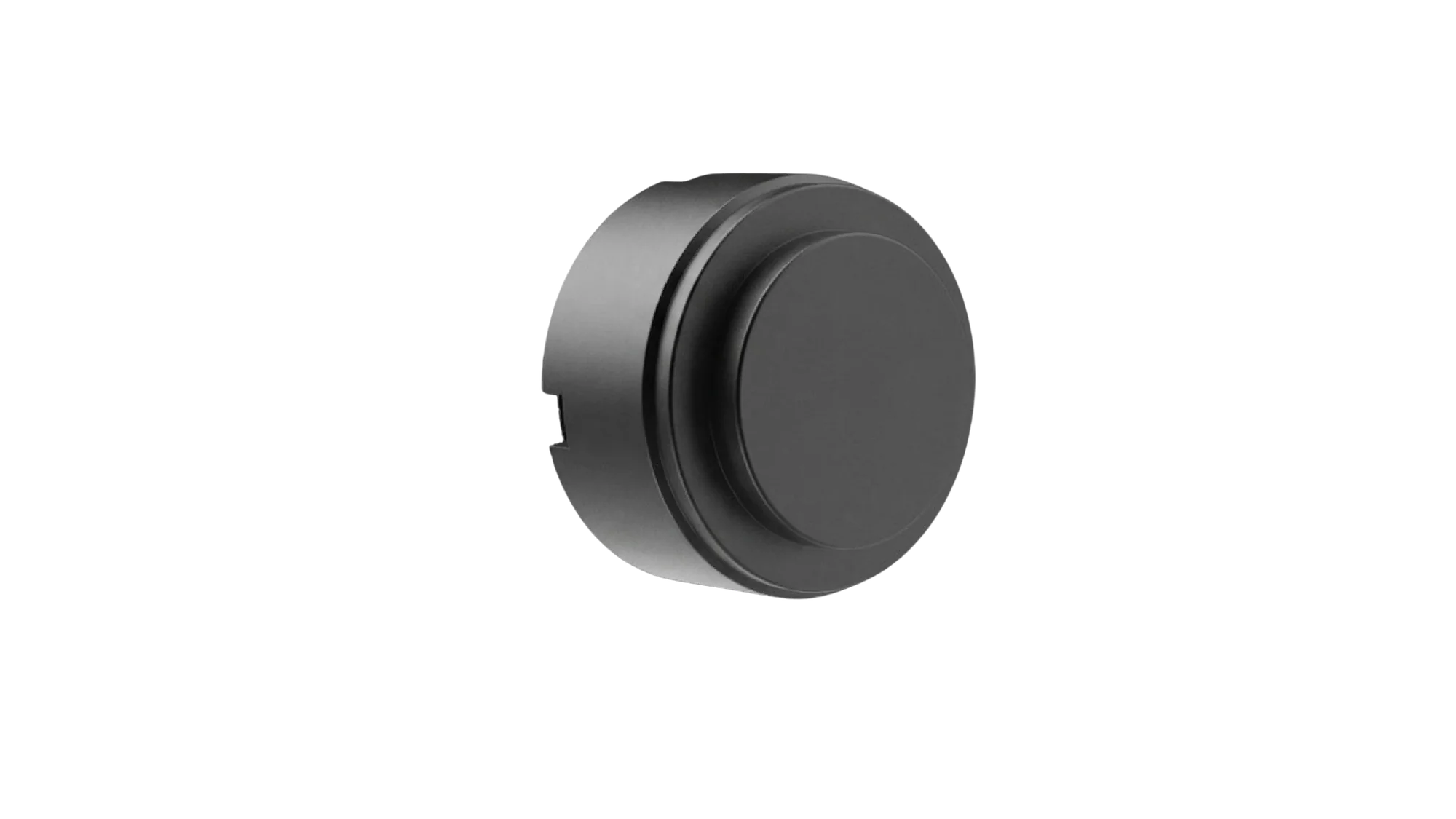
RNC PM Series Module
The innovation

Convert your product surface
into a digital interface.

Your surface or part does not need a separate control sitting on top of it. It can become the control.

The product transformation

Your surface or part becomes an intelligent touch interface. No separate controls. No cutouts. No bezels. No design compromise.

Your existing product surface is the interface.

The strategic advantage

You own the interface, the user experience, and the technology roadmap. No third-party dependency. Your product stands out.

A passive surface becomes an active, value-adding digital product.

What becomes possible

Your product, activated.

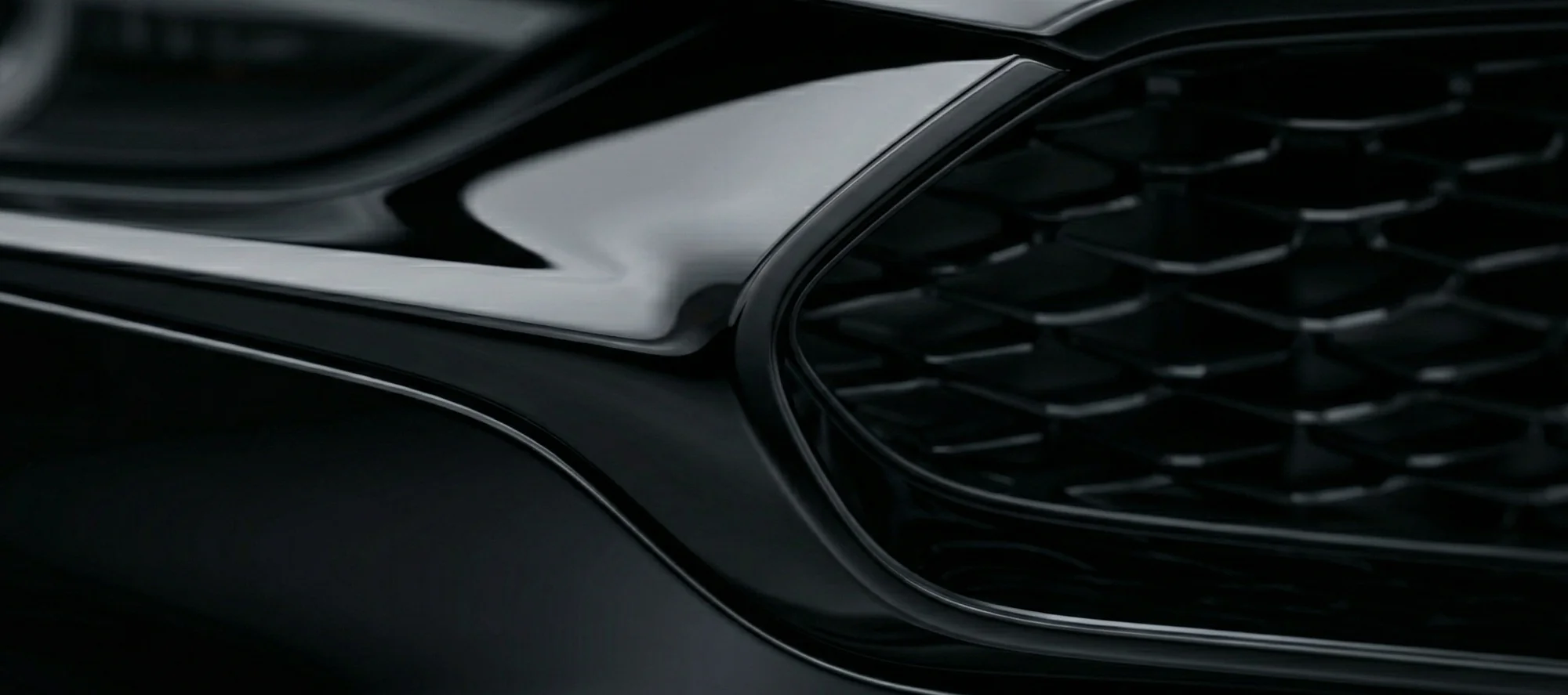
Automotive exterior part
Connected emblem, entry and vehicle access
Automotive plastics

The back geometry of the part is engineered around the sensing requirements: optimal touch sensitivity, a 7-second assembly cycle including curing, and full production repeatability. A plain exterior part becomes the vehicle's entry sensor and driver recognition point.

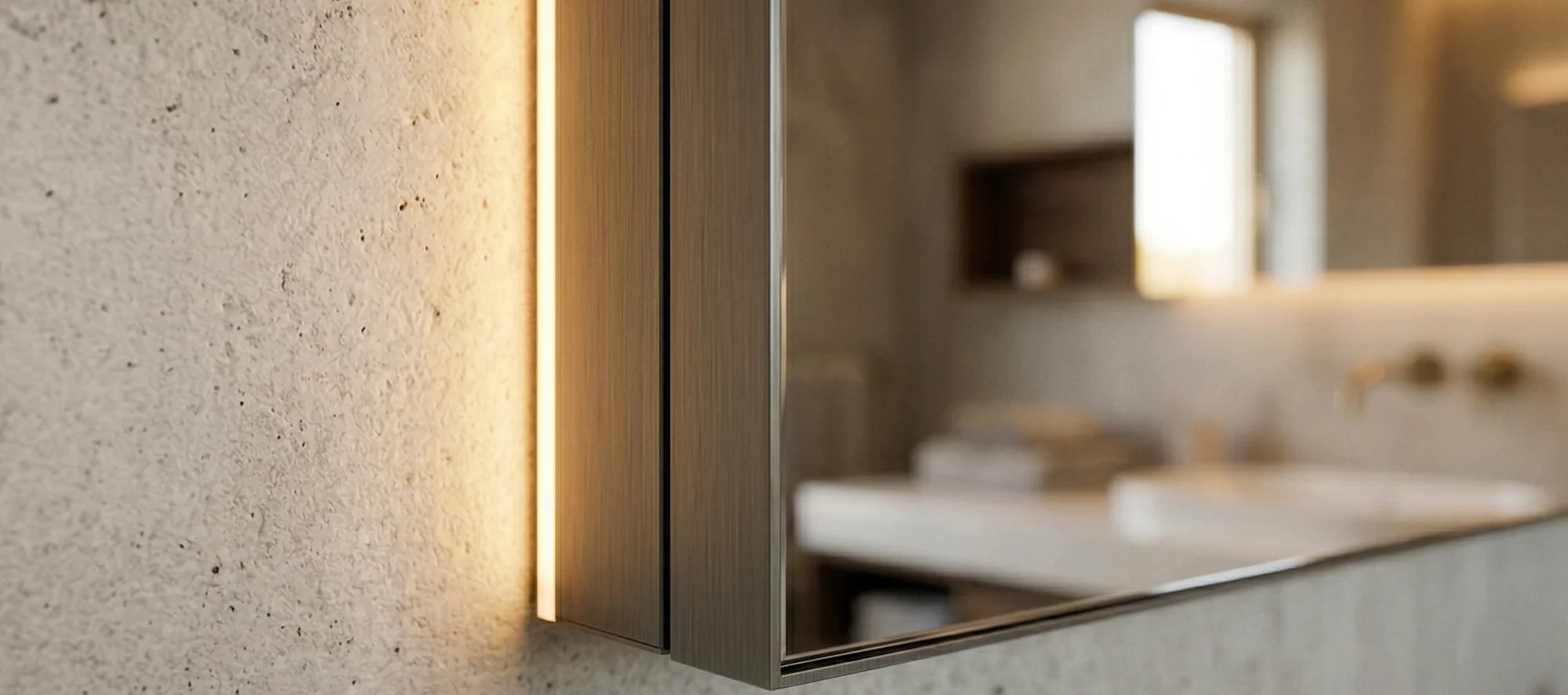
Mirror cabinet
Lighting, defogging, audio control
Glass and mirror

Touch controls flush behind the glass surface for lighting, defogging, audio, and smart home integration. The mirror face is unbroken. No separate panel, no cutout, no visible hardware.

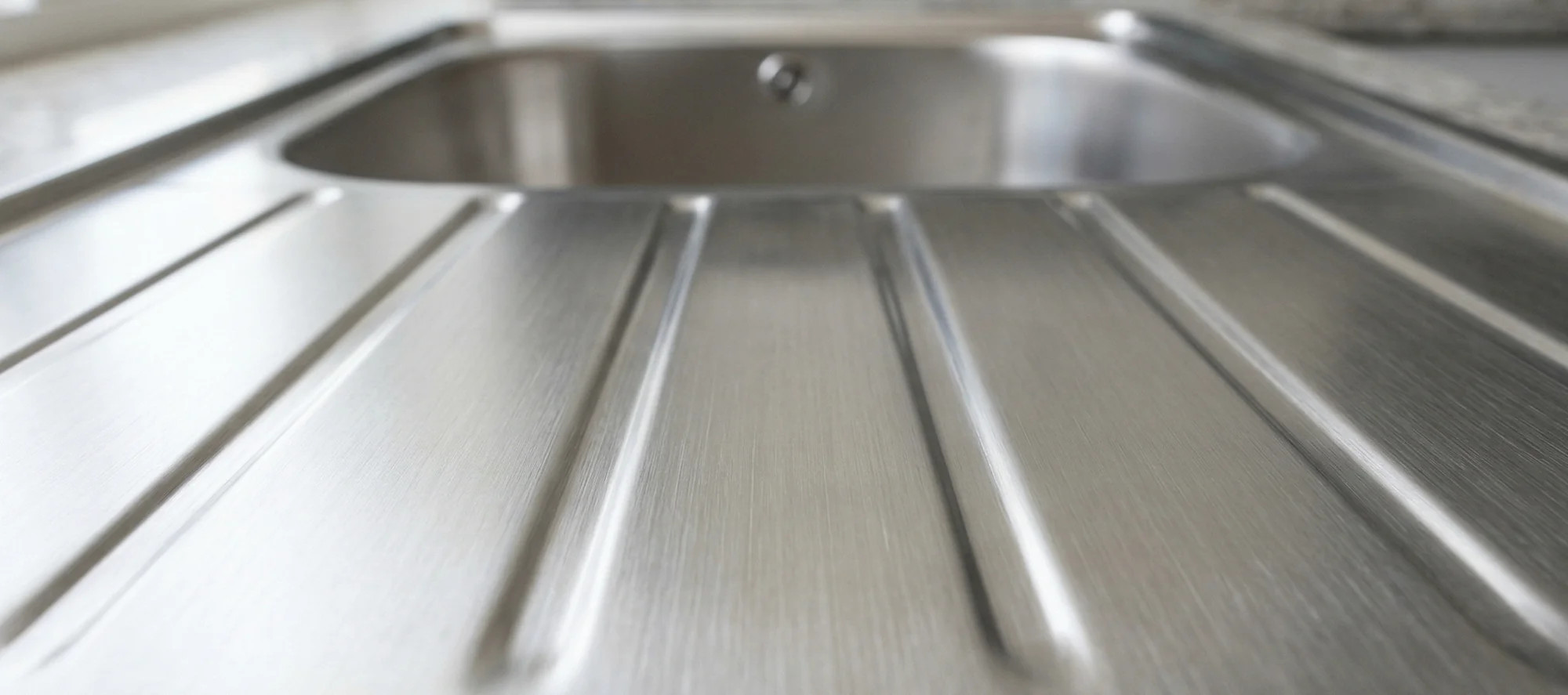
Stainless steel sink
Integrated kitchen surface control
Stainless steel

Touch sensing behind stainless steel for kitchen and appliance applications. Fully sealed, chemical resistant, suited for continuous water exposure and aggressive cleaning.

Enamel-coated steel bathtub
Whirlpool jets, temperature and audio
Enamel-coated steel

The bath or spa surface itself becomes the control. Jets, water temperature, heating, and audio all operated from the surface you are already touching.

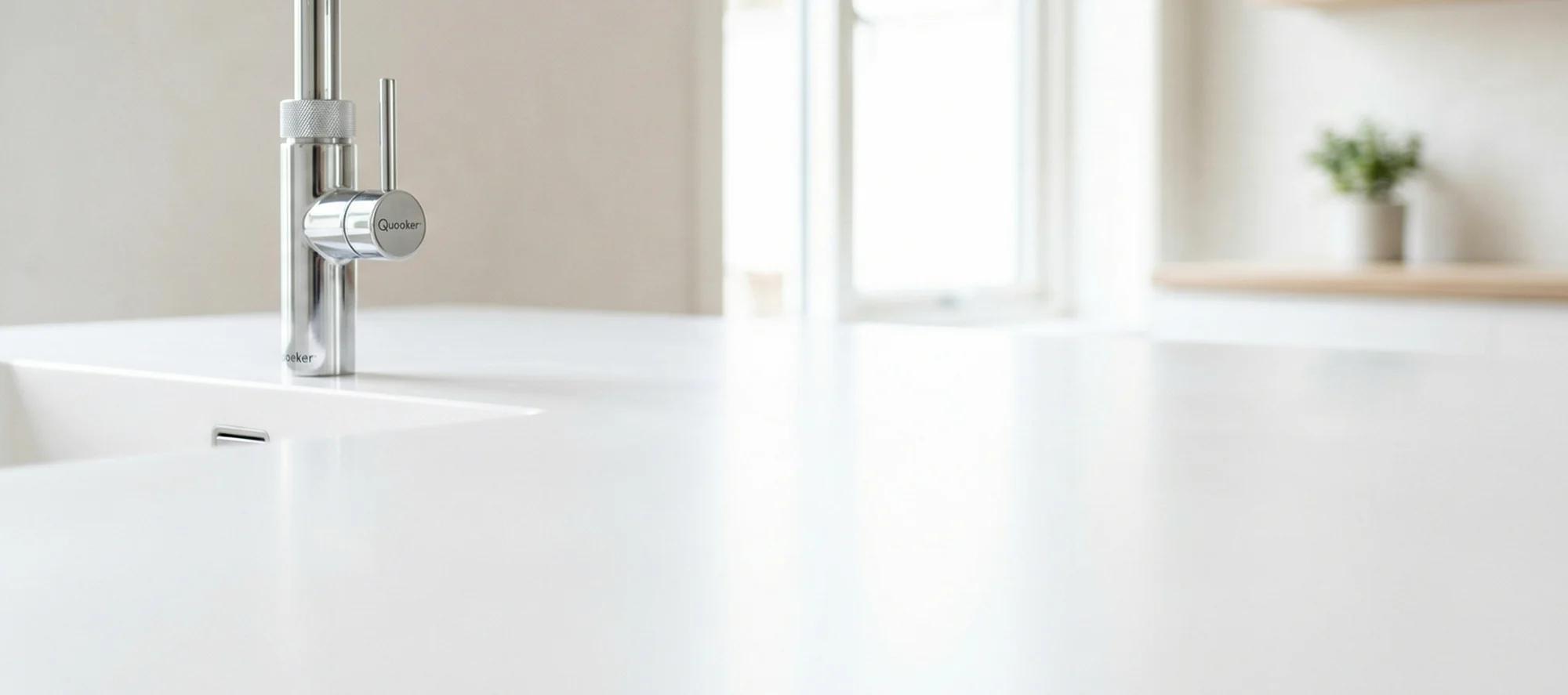
Solid-surface countertop
Boiling water tap, waste disposal, kitchen surface control
Solid surface

Piezo sensing proven through solid-surface material up to 6mm thick. The countertop controls your tap, waste disposal, and lighting without a single visible button.

Aluminium window frame
Blind, ventilation and access control
Aluminium profiles

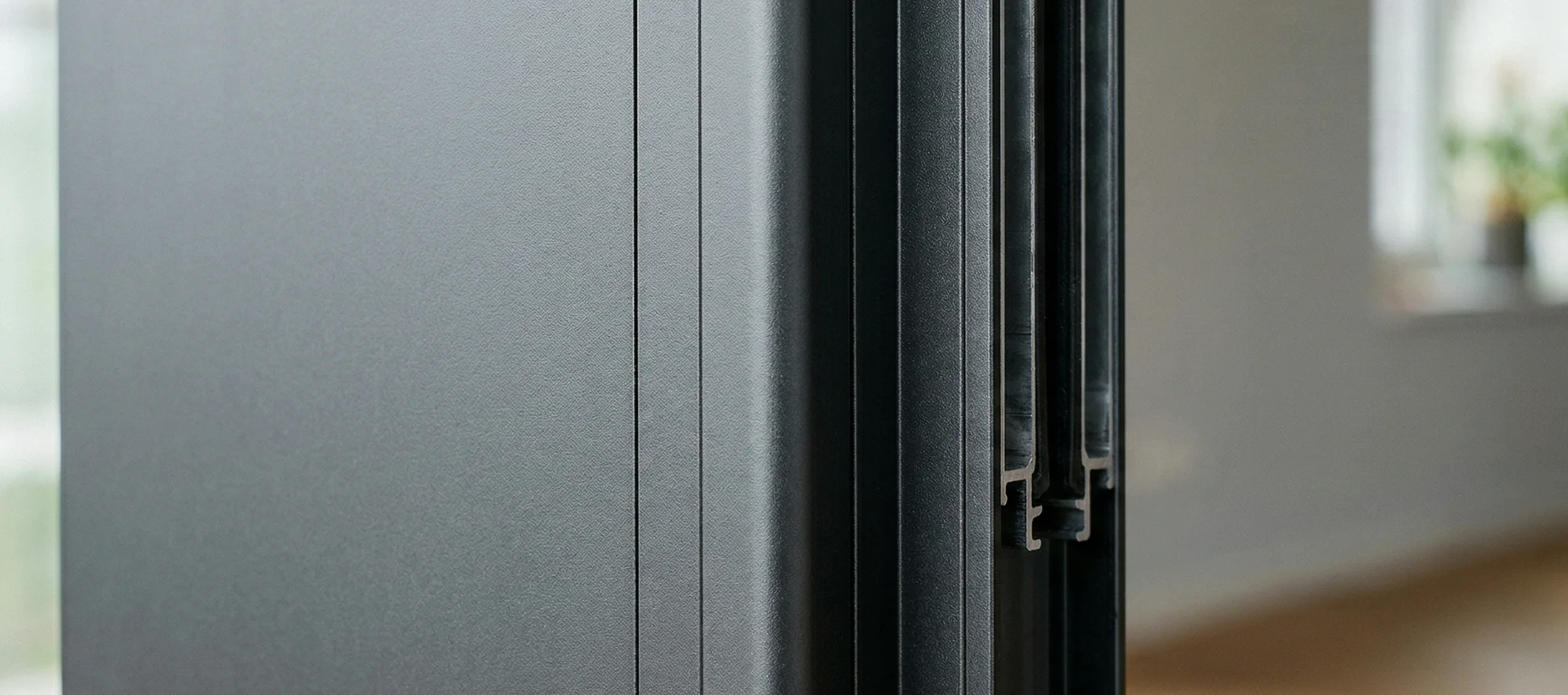
Our component snaps into standard aluminium frame systems. The frame converts into a touch control for door access, window operation, and blind control. No modification to the exterior profile.

Most manufacturers who need a control interface source it from a third party. A module gets mounted on or into the product. A cutout is made, a bezel added, wires routed. The control is visible, physically separate from the product itself. The manufacturer has limited influence over the technology inside, the user experience, and where it goes next.

Our approach is different. We attach our component to the back of your surface, or integrate it within or into the material itself. Your surface becomes the activation area. There is no separate control, no cutout, no bezel. The interface is there when you touch it and gone when you don't. You keep full ownership of the product design, the user experience, and the technology direction.

This is a product transformation, not a component swap. A surface or part that was passive becomes active. A product that was mechanical becomes digital. And a product that was one thing becomes something more.

Some manufacturers also develop their own controls and electronics. In those cases, we work alongside your engineering team from day one, integrating and co-designing so both sides connect cleanly.

Materials expertise

Proven across surfaces and materials.

Every material has different acoustic properties, thickness, damping characteristics, and assembly requirements. Making piezo sensing work reliably through a specific material is not guesswork. It starts with your material sample and your application requirements.

Solid surface
Up to 6mm thick
Proven, in production
Touch activation proven and deployed through thick solid-surface countertop material. Consistent sensitivity across the full surface regardless of thickness variation.
Porcelain
2 to 3mm fired ceramic
In production
Touch activation through fired ceramic. The porcelain surface itself serves as the complete control interface for sanitary applications, including shower controls.
Aluminium profiles
Standard frame systems
Deployed in building applications
Modules designed to click into standard aluminium frame systems. The aluminium surface converts into a touch control for door access, window operation, and blind control. No modification to the profile exterior.
Automotive plastics
7-second assembly
Including adhesive curing
Complete redesign of a part's internal geometry to optimise touch sensitivity, assembly time, and production repeatability. Assembly time target defined, engineered for, and achieved.
Stainless steel
Kitchen, sanitary, appliances
Proven in demanding environments
Touch sensing behind stainless steel surfaces. Fully sealed, chemical resistant, suited for continuous water exposure and aggressive cleaning procedures.
Glass and mirror
Behind-glass activation
Mirror cabinets, bathroom furniture
Touch controls behind glass for mirror cabinets, bathroom furniture, and display applications. Invisible when inactive. No visible sensor, no visible control area.

We measure, model, and validate for your specific material. Acoustic transmission, surface damping, thermal expansion, adhesion behaviour, and thickness tolerance are all part of the engineering process. The result is a module that works reliably in your product, in your environment, across your production tolerances.

Proof of concept

Want to explore what is possible with your product?

Send us a sample of your material or part. We run a proof of concept and show you what your surface can do. No commitment, no minimum order. Just your material and our engineering.

How we work

From your surface to a production-ready product.

We move fast and work closely with your team. You stay in control throughout the process.

1
Week 1–2
Feasibility review
Send us your surface or part, or describe your application. We investigate the material, assess feasibility, and come back with an integration concept, design direction, and cost indication. If you have your own engineering team, we work alongside them from this stage.
2
Week 3–8
Integration design
RNC designs the module and the integration: how the component connects to your surface, the mechanical interface, the adhesion or mounting method, and where needed, modifications to the back of your part to optimise sensitivity and assembly. You review, we iterate together.
3
Week 9–12
Samples and validation
Production-grade samples built on the same tooling and process as eventual production units. You test fit, function, and integration in your product. We validate performance across your material tolerances.
4
4–6 weeks
Production
Series production with consistent quality. The assembly process is designed and documented for your production environment. We support with process documentation, test equipment where needed, and operator training.

Timelines depend on complexity. Simple integrations can be faster. Multi-material or automotive programmes may require more development time. We give you a clear timeline in the first conversation.

Production and assembly

Engineered for your production and assembly process.

The module we design must be assembled efficiently and repeatably in your production environment. This is a design constraint from day one, not an afterthought. RNC engineers the module, the mounting interface, and the assembly method together.

For high-volume applications, seconds matter. Assembly targets are defined early and engineered for throughout development. For lower volumes, the priority shifts to ease of integration and consistent quality. In both cases, the goal is a straightforward, repeatable process your team can execute reliably.

Assembly process designed in parallel with module design
From adhesive selection to fixture design, every decision is made with your assembly line in mind.
Assembly time targets defined and engineered for from the start
Not estimated after the fact. Set as a design requirement and validated through the development process.
Test equipment design and supply where required
End-of-line test fixtures and process tooling developed alongside the product.
Process documentation and operator training
Full documentation for your line. We train your operators and support process qualification.
Scalable from low volume to high volume
The same engineering discipline applies at any volume. Process validation is not reserved for automotive programmes.
Technical overview
Module specifications.
Performance
Activation force0.25N and above, adjustable via PT Plus
Operating cycles>50,000,000
Standby power<10 µA
Self-diagnosticsStandard on all modules
Material compatibility
Supported materialsStainless steel, aluminium, glass, polycarbonate, acrylic, porcelain, solid surface, wood, plastics, custom
Material thickness1mm to 6mm+ (material dependent)
Environmental
IP ratingUp to IP69K (application dependent)
Operating temperature−40 °C to +85 °C
Connectivity & Intelligence
CommunicationUART, SPI, I²C, RS485, CANbus
IntelligencePT Plus standard on all modules
OutputsConfigurable via PT Plus
Mounting
Mounting methodsAdhesive, mechanical clip, custom integration
Get started
Have a surface or part that could become a control?

Send us your material sample or describe your application. We investigate, assess feasibility, and come back with an integration concept and cost indication.

Discuss your application
PT Plus platform
Want to understand the technology?

Explore the PT Plus platform to see the sensing, intelligence, and communication capabilities inside every RNC module.

Explore PT Plus