
Zero downtime. Every charge.
EV charging networks live and die by uptime. A broken interface means a charger that cannot be used — and lost revenue every hour it stays offline. RNC solid-state panels have no glass to crack, no touch layer to ghost in rain, and no failure modes that take outdoor interfaces offline. RNC piezo switches share that same solid-state reliability.
Engineered for public outdoor charging infrastructure.
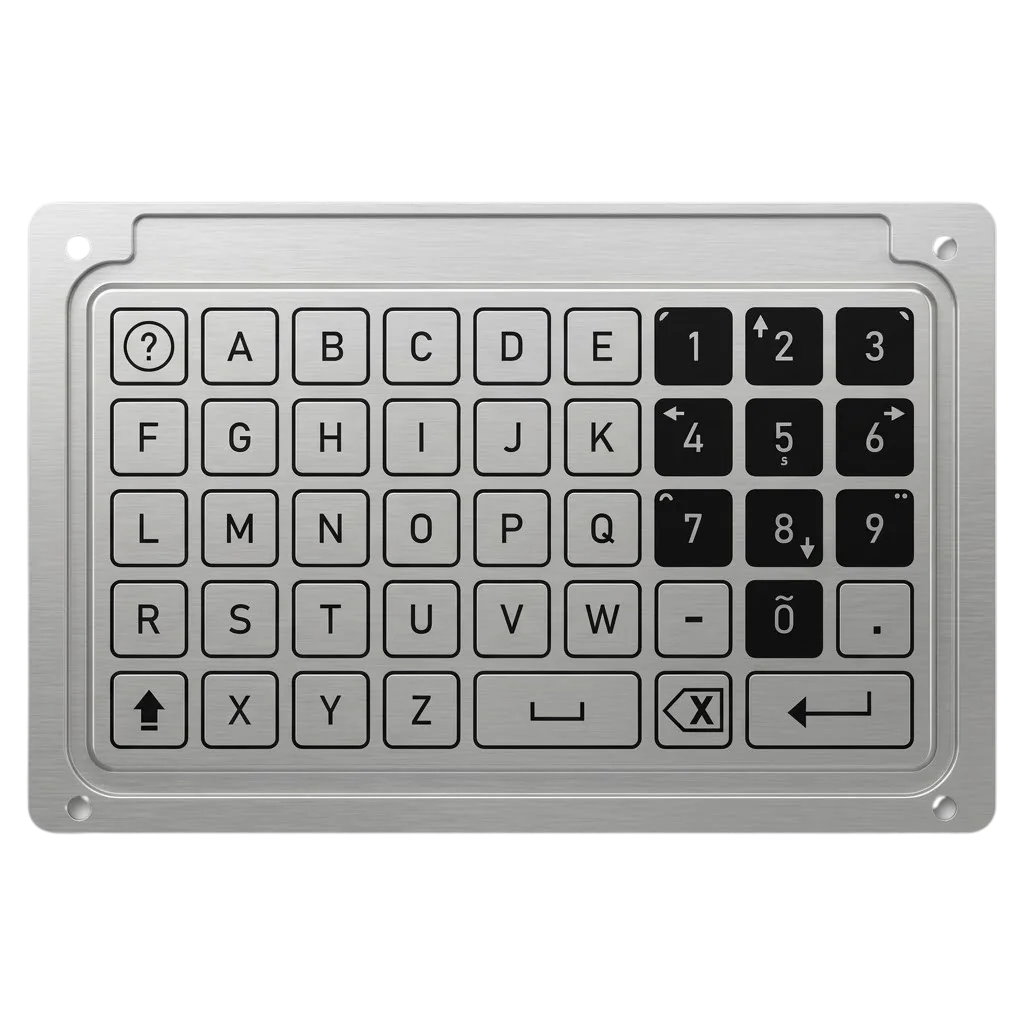
What EV charging interfaces face every day.
Highway rest stops, urban streets, parking garages, and fleet depots. Direct sun, rain, snow, ice, road salt, and pressure washing year-round. Users interact in the dark, in winter gloves, and with limited patience.
Most charging stations rely on capacitive touchscreens that crack under impact, ghost-trigger in rain, and fail from thermal stress. A broken interface means a charger that cannot be used — and every hour of downtime is direct revenue loss for the network operator.
Why solid-state piezo for EV charging.
Interface failures are the leading cause of charger downtime across public networks. Every technology choice either adds to that cost or eliminates it permanently.
See the full technology comparisonYour spec. Our expertise.
Every panel is engineered to your exact charger requirements: size, layout, graphics, protocol. Deployed across North America and Europe in outdoor charging installations operating through harsh winters below -30C, with no heaters, no recalibration, and no weather-related failures.
Production-ready samples in 12 weeks. Design and tooling takes 6 to 8 weeks. Production runs on 4 to 6 week lead times.
Proven in the field.
RNC solid-state panels are deployed in outdoor charging installations across North America and Europe, where conventional touchscreen and membrane interfaces failed within the first seasons of outdoor exposure. Field-tested through Canadian winters at -40C with no heaters, no recalibration, and zero weather-related maintenance calls.
The same technology, across public infrastructure.
Production-ready samples in 12 weeks.
Every panel is engineered to your exact charger requirements: size, layout, graphics, communication protocol. Whether you are launching a new platform or replacing a legacy supplier.